How to Make a Lucki Type Beat That Captures His Unique Style
· based on the channel ozi
Lucki type beats are instrumental tracks inspired by the unique sound of Chicago rapper Lucki, known for his melancholic yet hypnotic style that combines elements of trap, ambient, and melodic hip-hop. Making a Lucki type beat involves capturing the emotional depth, pacing, and atmospheric vibe that define his music. This guide explains how to produce a Lucki type beat effectively, using key musical and production elements.
Understanding the Core Elements of a Lucki Type Beat
To make a Lucki type beat, start by focusing on three core elements: tempo, key, and mood. Lucki's beats typically hover around 130-135 BPM, with a 133 BPM setting being common, such as in the free beat "Demand" by ozi (B Minor key).
- Tempo: Aim for around 133 BPM, giving the beat a laid-back yet rhythmic flow.
- Key: Minor keys like B Minor create the melancholic and introspective feel.
- Mood: The overall tone is dark, emotional, and often sad or ambient.
Instruments often include soft piano or synths, subtle guitar plucks, and atmospheric pads. The drum patterns balance trap hi-hats and snappy snares with deep 808 basslines.
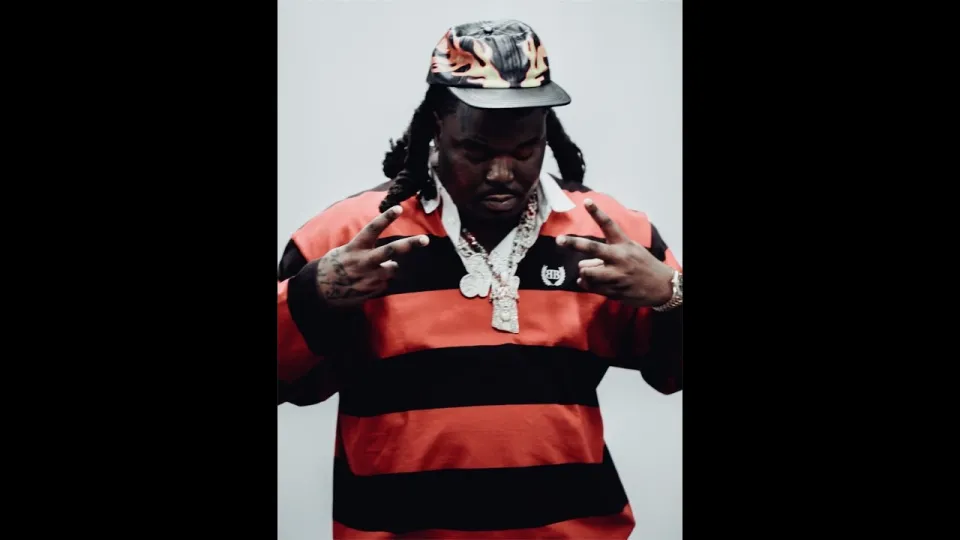
Video: (FREE) Lucki Type Beat - "Demand"
Crafting the Melancholic Melody and Atmosphere
Melody is central to Lucki type beats. Use minor scales and simple, repetitive motifs that evoke sadness or contemplation.
- Choose soft synth sounds or electric piano patches with reverb.
- Layer ambient pads to add depth.
- Incorporate sparse guitar or vocal samples for texture.
This creates an immersive soundscape where the beat feels both intimate and moody. Producers like ozi emphasize these qualities, as heard in the free beat "Demand," which is available for non-profit use with credit here.
Building the Drum Pattern and Bass
Lucki's beats feature trap drums but with a more restrained and spaced approach.
- Use crisp hi-hats with varying rolls and triplets.
- Place snares or claps on the 2 and 4 beats with subtle layering.
- The 808 bass should be deep and sometimes distorted, following the melodic root notes.
Avoid overly aggressive drum patterns; instead, focus on groove and space to complement the melancholic melody.
Incorporating Modern and Harder Elements
While classic Lucki beats are chill and somber, newer type beats for 2026 may include harder trap elements and faster hi-hat patterns.
- Experiment with faster hi-hat triplets or double-time rolls.
- Add atmospheric effects like vinyl crackle or filtered noise.
- Use occasional synth stabs or harder bass sounds to add energy.
This fusion keeps the beat fresh while maintaining the core style. Producers often release free beats with these traits to help artists experiment.
Using Free Lucki Type Beats Responsibly
Many producers, including ozi, offer free Lucki type beats for non-profit use, provided proper credit is given. For example, the "Demand" beat is free but requires crediting the producer (ozi). Always check the license terms on platforms like BeatStars (ozi's store) before using beats commercially.
Popular Tools and Plugins for Lucki Type Beats
To achieve the atmospheric and trap sound:
- DAWs: FL Studio, Ableton Live, or Logic Pro.
- Plugins: Omnisphere, Nexus, Serum for synths and pads.
- Drum Kits: Trap and ambient drum kits with 808s, crisp hi-hats, and snares.
- Effects: Reverb, delay, EQ, and saturation to build space and warmth.
Typical Questions About Lucki Type Beats
Many beatmakers and rappers ask about the best way to credit producers, how to find free beats for profit use, and how to customize beats to fit their style. These questions are common among users exploring Lucki type beats today.
Useful Links
Итог
Creating a Lucki type beat requires balancing melancholic melodies, atmospheric production, and trap rhythms around 133 BPM. The free beat "Demand" by ozi is an excellent example to study and use for non-profit projects with proper credit. Lucki type beats continue evolving, blending chill, sad vibes with harder trap elements in 2026. For producers and artists looking to capture this unique style, utilizing available free resources and understanding the musical foundations is essential. Check out ozi's channel and beatstore for more inspiration and official beats.
Purchase and explore more beats here: https://bsta.rs/JnVmO3
Key takeaways
- Lucki type beats often feature a tempo around 133 BPM and minor keys like B minor.
- The style blends melancholic melodies with trap and ambient sounds.
- Producers use sparse, emotive instrumentation and dark, moody atmospheres.
- Free beats like "Demand" by ozi offer great templates for non-profit use with credit.
- Lucki type beats evolve yearly, with newer ones incorporating more melodic and hard trap elements.
Source: (FREE) Lucki Type Beat - "Demand" · Markdown version
Questions & answers
What defines a Lucki type beat compared to other trap beats?
A Lucki type beat is defined by its melancholic and atmospheric vibe, usually set around 130-135 BPM in a minor key. It blends sparse, emotive melodies with trap drums and ambient sounds, creating a moody, introspective mood that sets it apart from more aggressive or upbeat trap beats.
Can I use the free Lucki type beat "Demand" by ozi for my own music commercially?
The free Lucki type beat "Demand" by ozi is offered for non-profit use only and requires proper credit to the producer. To use it commercially, you typically need to purchase a license or a beat package, which can be found on the provided BeatStars link.
What instruments and sounds are commonly used in Lucki type beats?
Common instruments include soft piano or electric piano, ambient synth pads, sparse guitar plucks, and deep 808 basslines. Producers often apply reverb and delay effects to create an atmospheric, moody soundscape characteristic of Lucki's style.
How do I credit a producer when using a free Lucki type beat?
Proper credit usually involves mentioning the producer's name and possibly the beat title in your song credits, descriptions, or social media posts. For example, when using beats from ozi, you should credit (prod. by ozi) as indicated in the beat's license terms.